
Newsletter Subscribe
Enter your email address below and subscribe to our newsletter
Enter your email address below and subscribe to our newsletter


All voices matter
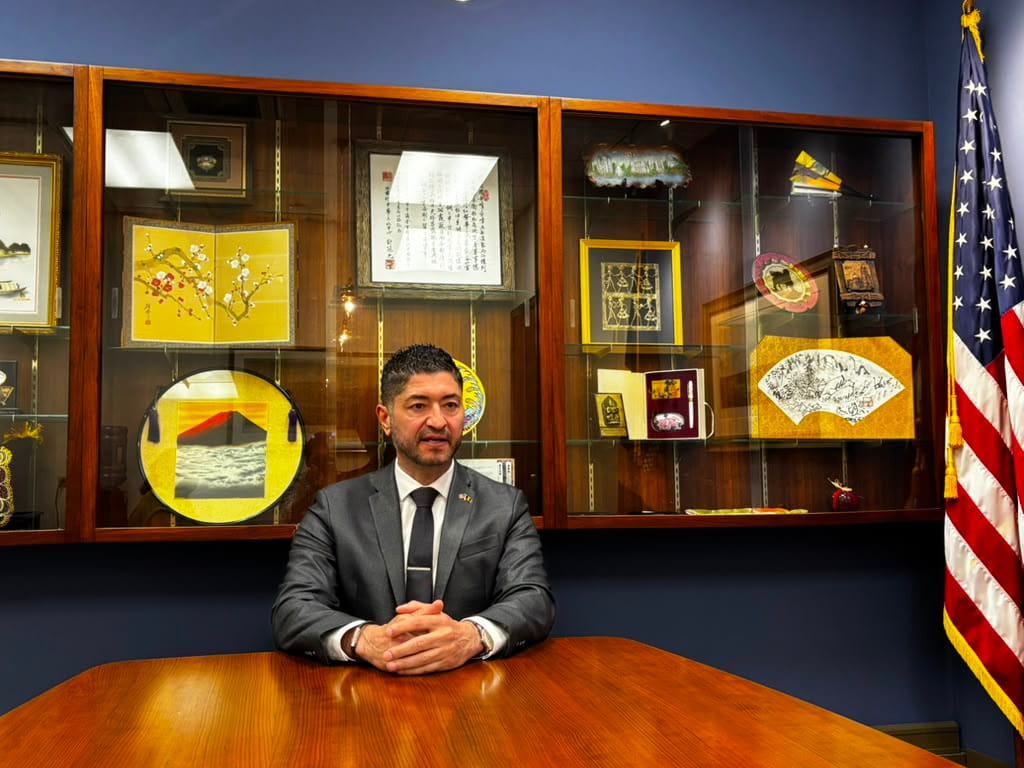
For thousands of immigrants living in Pittsburgh, renewing a passport, applying for a consular ID, or completing a notarized document can mean driving five or six hours to another city. This is the reality that the City of Pittsburgh is looking to change through a strategy that combines diplomacy, community work, and a greater presence of consulates in the region.
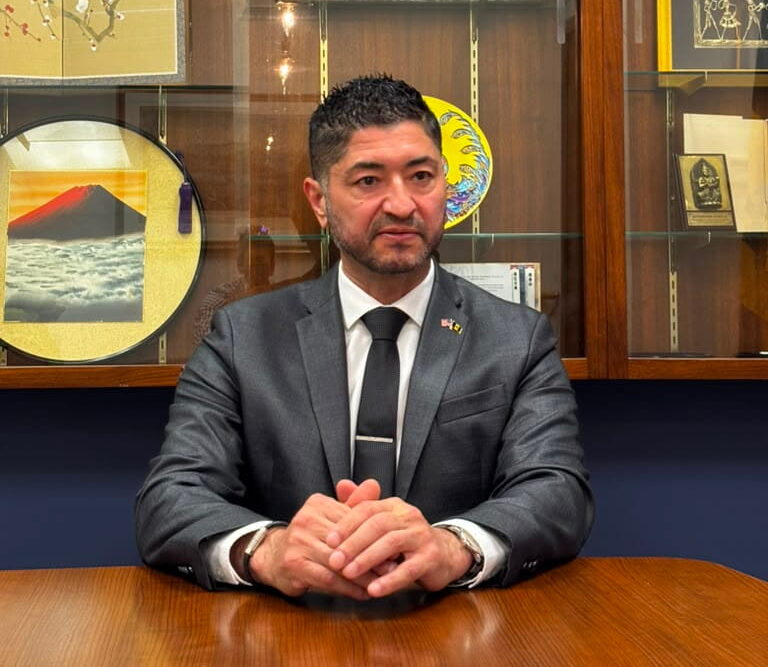
Leading this effort is Ampelio De Anda, Coordinator of the Office of Immigrant and Refugee Affairs at the City of Pittsburgh, who says that the priority is to ensure that no resident is excluded from municipal resources because of their place of origin or the language they speak.
“What we mainly do is connect immigrant and refugee communities with the services offered by the city government, to make sure that all residents have access to resources, services, and opportunities equally, regardless of their place of origin or the language they speak”, he explained.
De Anda, a former diplomat of Mexican origin with experience in consular affairs, says that upon taking office, he began meeting with community leaders, organizations, and diplomatic representatives to gain firsthand knowledge of the needs of the city’s diverse communities.
One of the main problems identified by the municipal office is the distance that many immigrants have to travel to access consular services.
Although Pittsburgh has 15 honorary consulates and a career consulate —Honduras’— most processes for Latin American citizens depend on consulates located in cities like Philadelphia, New York, or Cleveland.
This forces many families to spend almost an entire day completing a process that in many cases only takes a few minutes.
The high demand became evident during the most recent visit of the Mexican Consulate in Philadelphia to Pittsburgh. Although the consulate has jurisdiction over the city, until now it only visited twice a year to offer its services. “Appointments were filled in two hours. They served 400 people in two days, 200 each day, and there were people who, unfortunately, couldn’t get an appointment,” De Anda recalled.
After that experience, the City of Pittsburgh started talks with the Mexican Consulate and managed to get the visits increased from two to three times a year starting next year. The plan now is to replicate that model with other Latin American representations.
While European consulates focus much of their work on cultural, academic, and economic projects, the reality for many Latin American communities involves much more immediate needs.
For De Anda, the first step in any immigrant protection policy is that people can prove their identity.
“It’s about giving them an ID and making sure they are properly identified. That’s why the services of Latin American consulates are indispensable,” he said.
Passports, consular registrations, and voter ID cards for citizens living abroad not only allow people to complete paperwork but also serve as an essential tool for citizens to exercise their rights and access assistance from their governments.
The official also warned that many people are unaware that their consulates have resources to provide legal support and help in emergency situations.
“All consulates have an emergency number available 24 hours a day, seven days a week, and it’s very important for the community to have that information,” he pointed out.
Amid the concern among many immigrant families about federal immigration policies, De Anda was emphatic in stating the municipal government’s position regarding Immigration and Customs Enforcement (ICE).
“No, there is no communication. In fact, no one working for the City of Pittsburgh is allowed to cooperate with ICE, and this also includes the police. There is no cooperation,” he assured.
Instead, he explained that working together with local law enforcement is aimed at ensuring interpretation services for those who don’t speak English and at complying with the Vienna Convention on Consular Relations when it comes to consular notification and accessin a situation where a foreign citizen is detained.
The office also promotes workshops on immigrants’ rights and on consular protection mechanisms so that people know what resources are available before facing an emergency situation.
Beyond institutional meetings, De Anda says that an important part of his work happens outside the office.
In addition to meetings with community organizations and municipal agencies, De Anda highlighted the direct contact he has with the community. He explained that he lives in Beechview, one of the areas with the largest Latin presence in Pittsburgh, where he often chats with neighbors who share the community’s needs and concerns.
“We want to know and hear from the community about the different situations they are facing,” he said.
That dialogue also continues in monthly meetings run by the Office of Immigrant and Refugee Affairs, where social organizations, government agencies, and community leaders come together to identify needs, share information, and make services more accessible.
As part of that strategy, the City of Pittsburgh redesigned the ‘I-Speak’ card, used by people who need to request an interpreter when going to a public office.
Previously, the document was written only in English. The new version includes the user’s language to make communication easier and ensure access to public services without language barriers.
At the same time, the City of Pittsburgh continues to expand its collaborative network with consulates, embassies, and international organizations, while pursuing opportunities to take part in future naturalization ceremonies, where it hopes to officially welcome new U.S. citizens.
“Being more connected with the community is the main priority. We hope to offer more services and always be attentive to people’s needs,” De Anda explains.
He adds that the ultimate goal is to ensure that “Pittsburgh continues to be a city that welcomes everyone and where everyone can thrive, and we want to make sure that Pittsburgh is the first choice for every family,” he concluded.